
Love Scam: Woman Tricks Men Online
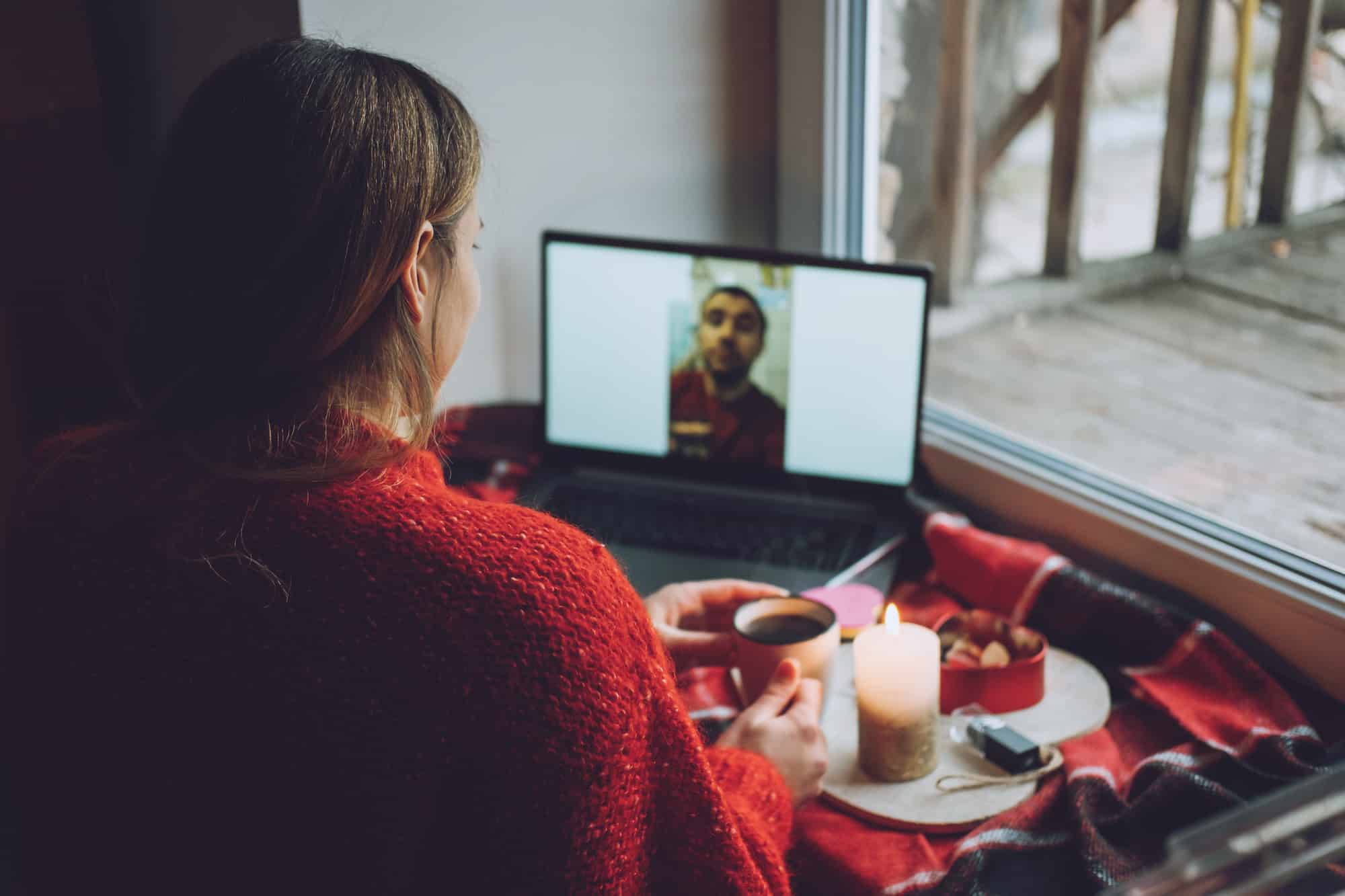
An ordinary Danish woman, who adopted the pseudonym “Soma,” subjected a series of unsuspecting men to a complex and thought-out scam online. Soma created the fictional character “Jasmin El-Ghassani,” who was purportedly in great distress with a ruthless gang threatening and extorting her. Through this character, Soma managed to weave an emotional web around her victims using exaggerated and dramatic declarations of love. These well-thought-out lies and manipulative tactics led several men to transfer large sums of money, believing that they were helping “Jasmin” out of her troubles.
Investigation and Exposure
The news media Frihedsbrevet took a close look at the case and revealed that “Jasmin El-Ghassani” did not exist. The entire story was a fabrication, and the detailed events Soma recounted were nothing but a fabrication. In the podcast series “The False Match,” several victims independently shared their experiences of being deceived into transferring hundreds of thousands of Kroner to a Snapchat profile called “Perkerlinse.” This was another tool in Soma’s manipulative toolkit. Although two of the victims have reported the case to the police, no charges have yet been filed. The complexity of the case and a lack of physical evidence may have delayed the investigation.
A Disturbing Trend in Denmark
Unfortunately, this story is far from unique in Denmark. In the past year alone, love fraud amounted to a total of 20.9 million Kroner in the country, according to the Financial Supervisory Authority. This alarming figure is a sign of a growing trend where fraudsters are using online dating as a platform for deception. The police find it hard to keep up with the number of cases, and the victims suffer both financially and emotionally, feeling powerless in a world where digital abuse seems to be on the rise.
The Power of Online Intimacy
Part of the explanation for this phenomenon lies in how swindlers can exploit the unique intimacy of online relationships. Research suggests that relationships developed and maintained exclusively online can achieve a high degree of intimacy. Factors such as more open, honest, and emotional communication contribute to this, making online relationships vulnerable to fraud.
Soma’s Methods: Exploiting Trust
Looking at Soma’s case, Frihedsbrevet revealed that she actively moved the conversation over to Snapchat, systematically deceiving her victims through daily voice messages and calls. Even though the app automatically deletes correspondence, the victims managed to preserve large parts of the communication, revealing how they were showered with voluminous love declarations and promises of a future life together. These promises were never fulfilled.
Understanding the Growing Threat
Although it may seem incomprehensible to many that significant sums of money would be transferred to a person one has never met face-to-face, the statistics speak clearly: this happens more and more often. An anonymous victim in the podcast series put it this way: “This isn’t about it happening more and more. It’s about certain things being overlooked.”
Conclusion: Collective Responsibility
In light of this and similar cases, it is crucial that we understand how swindlers can exploit the unique dynamics and emotional connections of online relationships. Regardless of gender, educational level, or personality traits, we must all exercise caution. We must recognize that swindlers can use our strengths and weaknesses against us and be aware that technological advancement may lead to new and unforeseen forms of abuse. In this digital age where technology is transforming the way we interact and connect, it is our collective responsibility to remain vigilant and protect ourselves against the potential threats lurking online. We must educate ourselves and others about the risks associated with online dating and relationships, and we must work together to create a safe and supportive environment where everyone can explore love and friendship without fear of being exploited or betrayed.
Source: The podcast “Det Falske Match” (Frihedsbrevet).